
Does the Color or Layout of My Website Really Matter?
Learn how your website’s colors, layout, spacing, and mobile design can shape customer impressions, build trust, and encourage more visitors to take action.
WEBSITE DESIGN
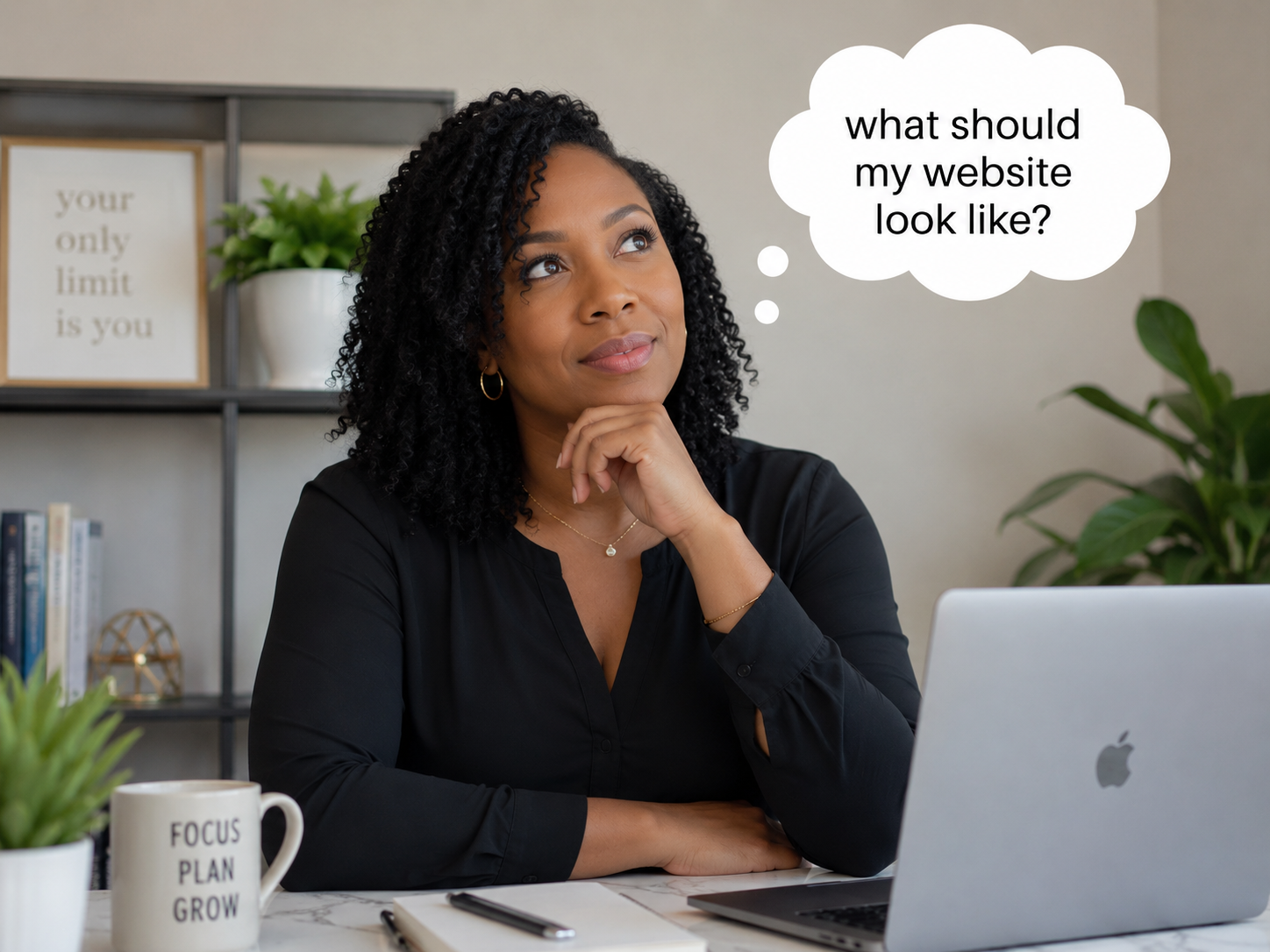
The colors and layout of your website may seem like design details, but they can influence how visitors feel about your business—and whether they stay long enough to contact you.
When someone opens your website, they begin forming an opinion within moments. Before they read every word, they notice whether the site feels professional, welcoming, organized, outdated, confusing, or difficult to use.
Your website does not need to be flashy. It does, however, need to create the right impression and make it easy for visitors to find what they need.
Color Helps Communicate Your Brand
Color can affect the overall mood of a website and shape how visitors perceive your business.
For example:
Blues often feel dependable, calm, and professional.
Greens can suggest growth, health, nature, or sustainability.
Black, white, and neutral tones may create a polished or modern appearance.
Bright colors can feel energetic, playful, or creative.
Soft colors may feel calming, welcoming, or luxurious.
The best colors depend on your business, your audience, and the experience you want to create.
A landscaping company may use natural colors to communicate outdoor expertise. A nail salon might use softer or more expressive colors to create a stylish, inviting feeling. A contractor may prefer a strong, straightforward color palette that communicates reliability.
Color should support your brand—not distract from it.
Readability Is More Important Than Decoration
A beautiful color palette will not help your business if visitors cannot easily read the text.
Your website needs enough contrast between the background and the words. Light gray text on a white background may look elegant, but it can be difficult to read. Bright colors placed on top of one another may also create visual confusion.
Your buttons should stand out clearly, especially important actions such as:
Request a Quote
Book an Appointment
Call Now
View Services
Schedule a Consultation
Color should help guide the visitor toward the next step.
Layout Determines What Visitors Notice
Your website layout is the way text, images, buttons, and sections are arranged on each page.
A strong layout creates a clear path through the website. It helps visitors quickly understand:
What your business does
Who you serve
Why they should trust you
What they should do next
When a page is overcrowded, visitors may not know where to look. When important information is buried too far down the page, they may leave before finding it.
Your most important message should appear near the top of the homepage. Visitors should immediately see a clear headline, a short explanation of your services, and a button that leads them toward contacting or booking with you.
White Space Makes a Website Easier to Use
White space is the open space between sections, text, images, and other website elements. It does not always have to be white.
Open space helps a website feel organized and allows visitors to focus on one idea at a time.
Trying to fill every available space can make a site feel cluttered. A cleaner layout often feels more professional and gives important content more impact.
Your Website Must Work on Mobile Phones
A layout that looks attractive on a desktop computer may not work properly on a phone.
Buttons may become too small, text may be difficult to read, images may crop poorly, or visitors may have to scroll sideways to see the page.
A mobile-friendly layout should make it easy for visitors to:
Read your services
View your work
Find your contact information
Tap a phone number
Request an estimate
Book an appointment
Since many local customers search for businesses from their phones, the mobile version of your website is not an extra feature. It is essential.
Consistency Builds Trust
Your website should use a consistent set of colors, fonts, buttons, image styles, and spacing.
When every page looks completely different, the website can feel unfinished or unreliable. Consistency helps visitors recognize your brand and creates a more polished experience.
Your website should also match your other marketing materials, including your logo, business cards, social media profiles, and signs.
The goal is for customers to recognize your business wherever they see it.
Good Design Should Support Business Goals
Color and layout matter, but not simply because a website should look attractive.
Good design should help your business:
Explain its services clearly
Build trust with potential customers
Highlight important information
Showcase your work
Encourage visitors to contact you
Make booking or requesting a quote easy
A website can be visually impressive and still fail to generate leads if the message is unclear or the next step is difficult to find.
The strongest websites balance appearance with strategy.
Does Your Website Create the Right Impression?
Your website should reflect the quality and professionalism of your business. The colors should support your brand, the layout should guide visitors, and every page should make it easy for customers to understand what you offer and what to do next.
At Woodland Digital Labs, we create professional websites for small businesses that combine clear messaging, thoughtful design, mobile-friendly layouts, and strong calls to action.
Your website should not simply look good. It should help your business grow.
Sitemap
Get in Touch
contact@woodlanddigitallabs.com
(203) 388-6830
Mon - Fri: 9:00 AM - 5:00 PM
© 2026 Woodland Digital Labs-All Rights Reserved
Private Policy | Terms of Use
WE SPEAK FLUENT HUMAN

Website Design, SEO & Lead Generation for Small Businesses in New Haven County, CT